
Call Us: (518) 456-0852







Veterinary Services
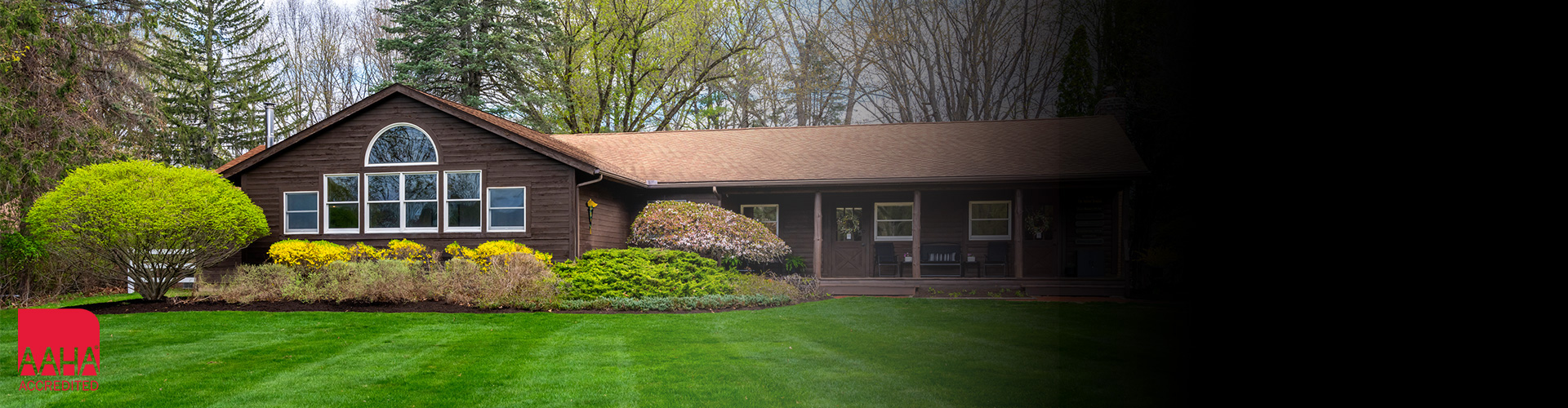
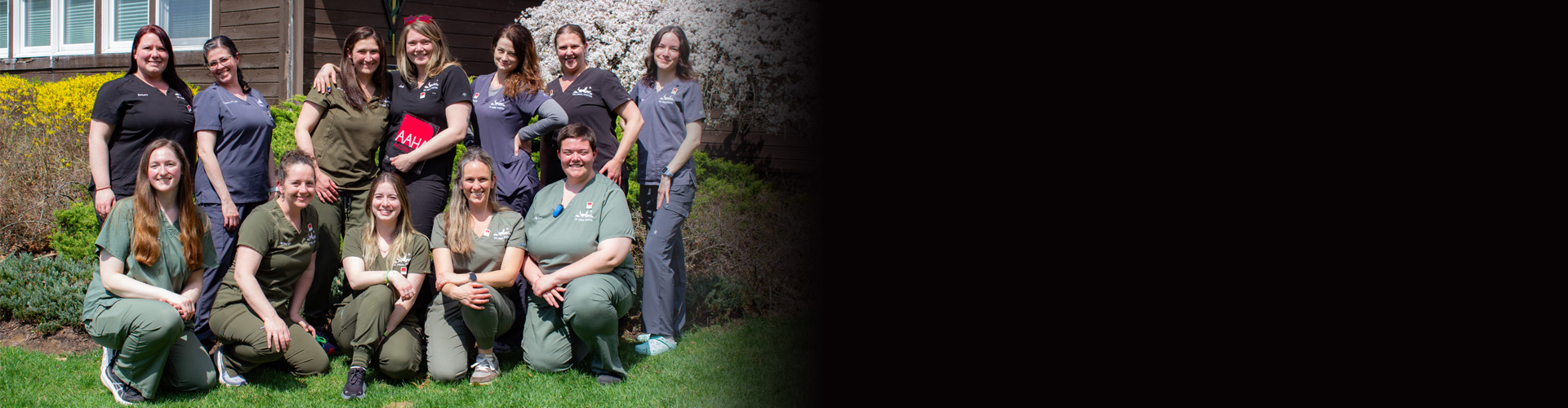
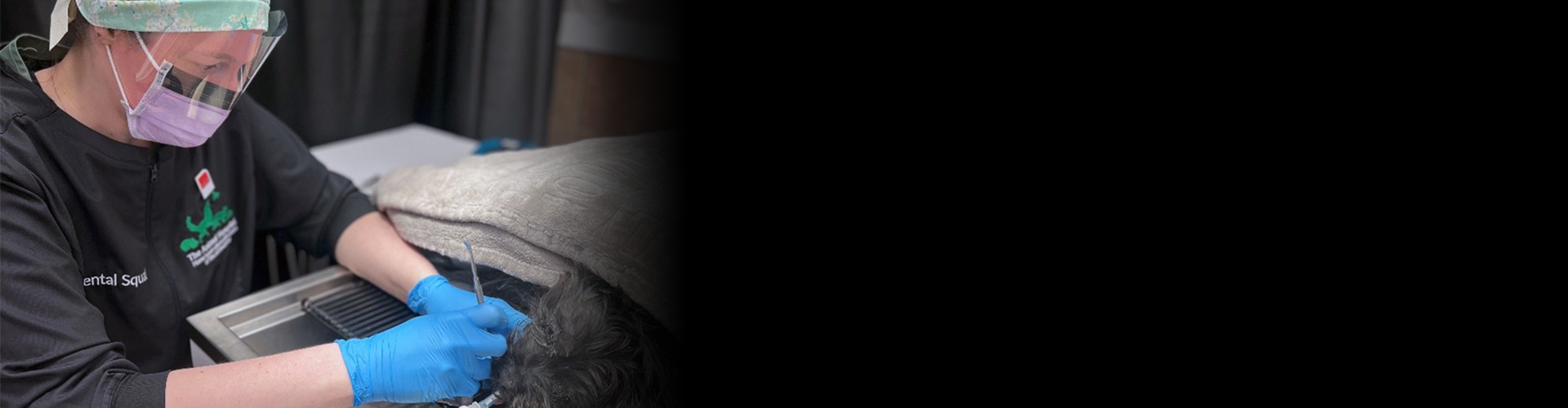
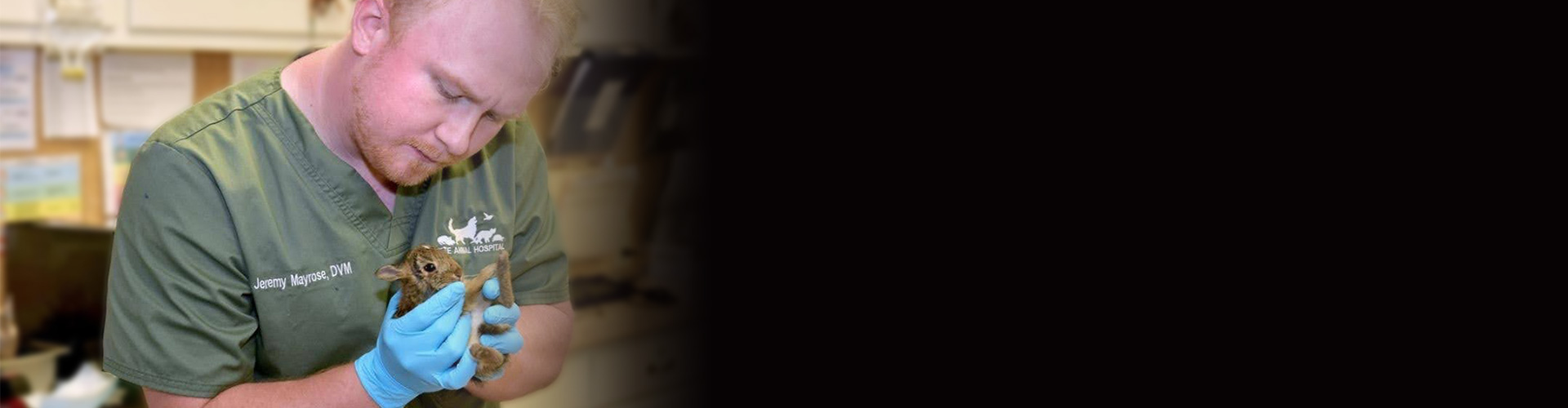
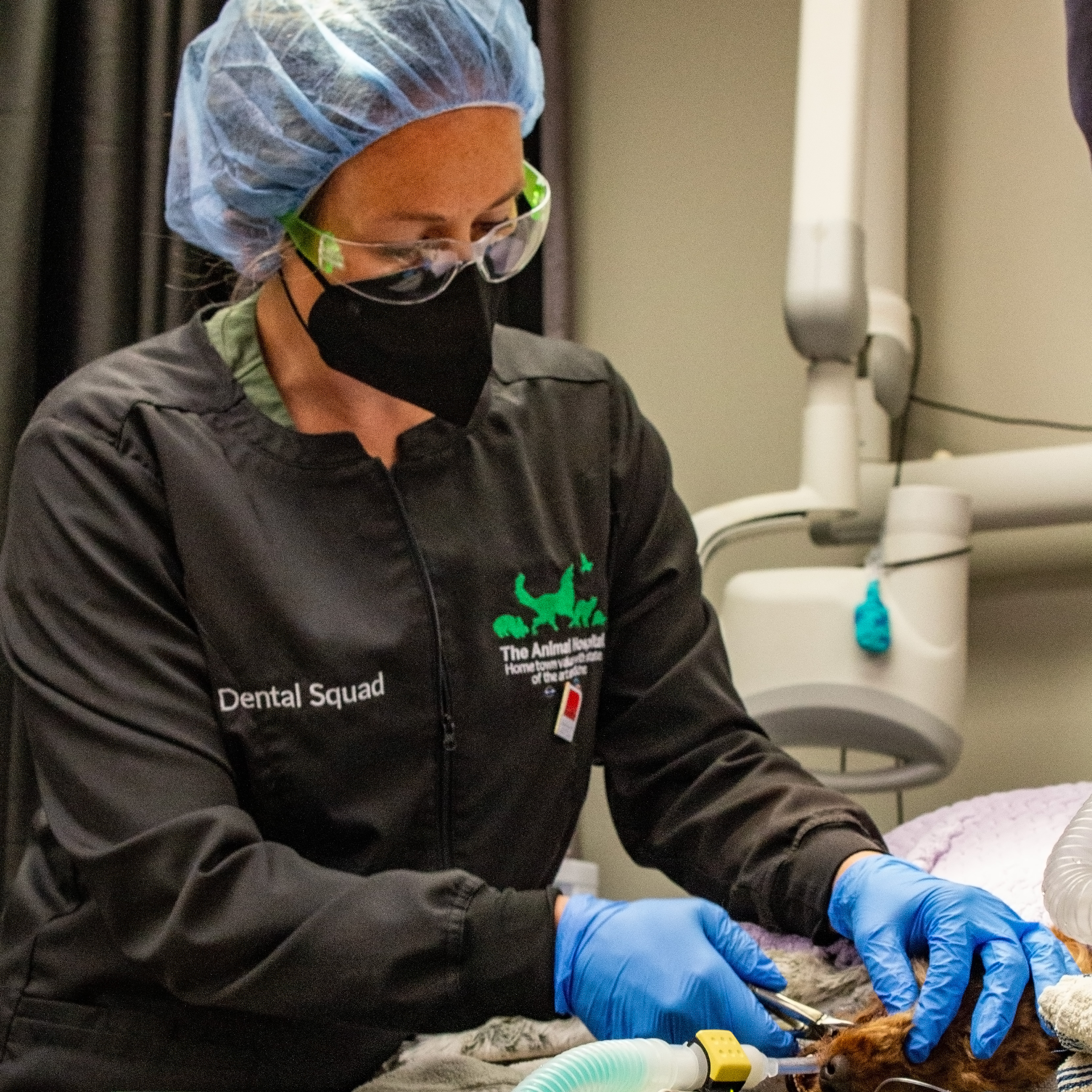
Our team provides medical, surgical, and dental care to pets in Slingerlands and the surrounding communities.



What's New at
The Animal Hospital
Nomination
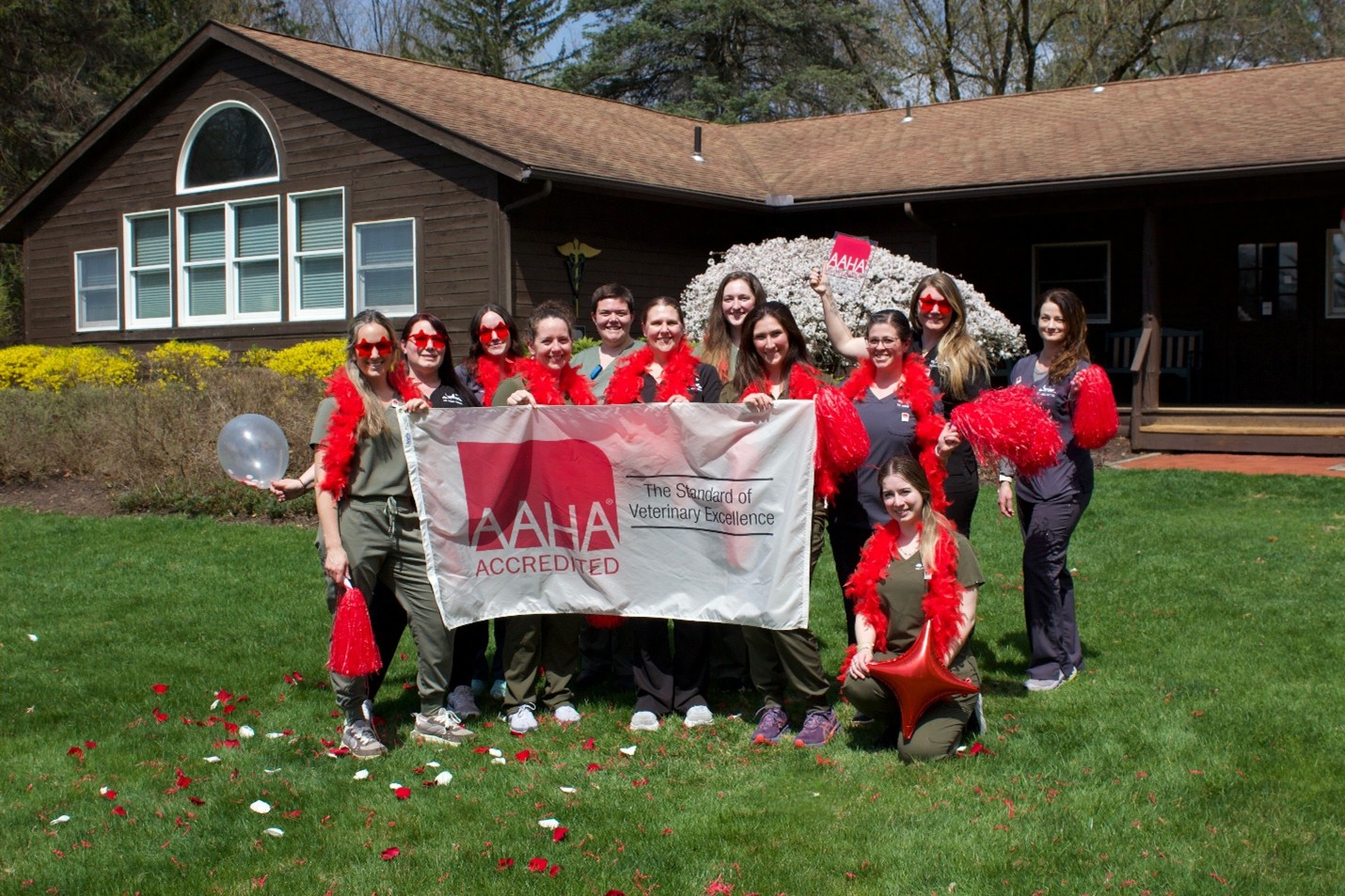
We are honored to be nominated for the American Animal Hospital Association’s (AAHA) Accredited Practice of the Year! This award represents the highest standard of veterinary excellence, and community support was a vital part of the final scoring. We really appreciate all of your support.
Advanced Medicine and Comfort
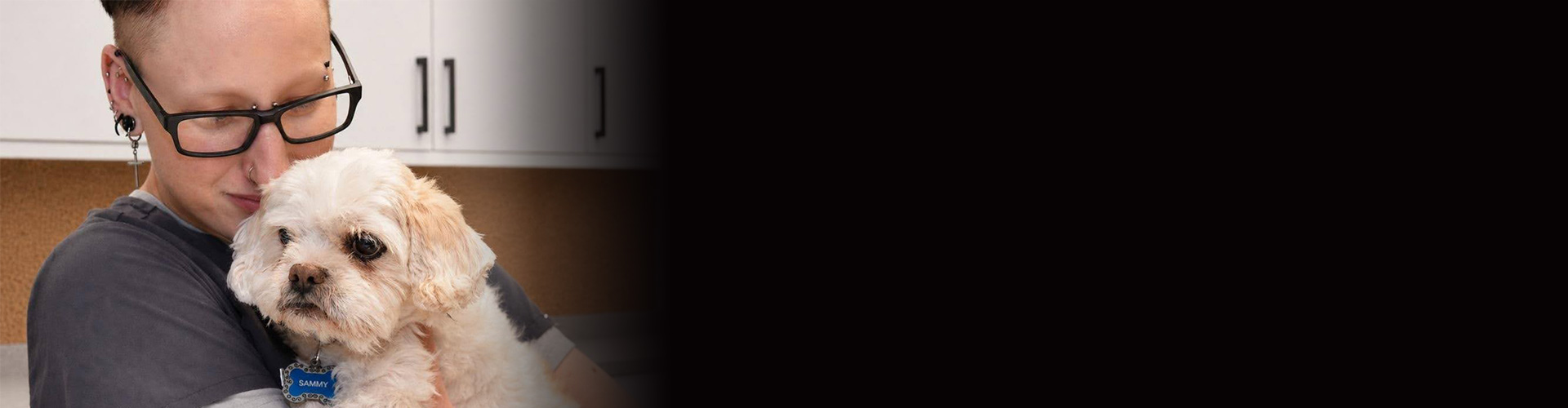
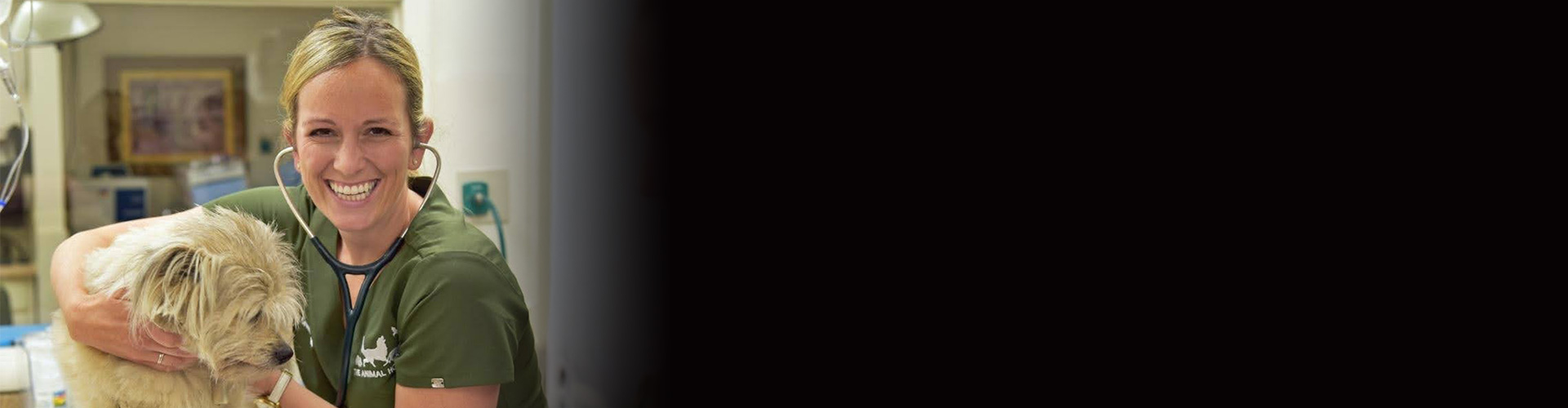
Our doctors are Fear Free certified, and our staff is trained to ensure your pet’s visit is as comfortable as possible.
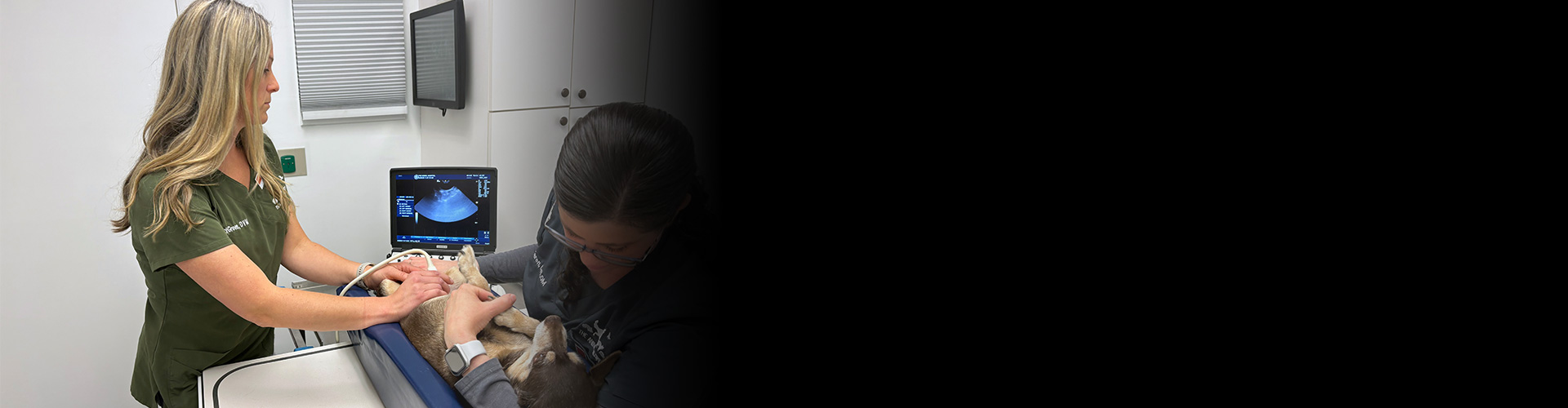
To stay at the forefront of veterinary medicine and technology, we have recently upgraded our radiology and laparoscopic surgery equipment.
Our Legacy of Care
Our veterinary hospital has served the Capital District for more than 50 years. Established by Dr. Lexi’s father, Dr. Ed Becker, the hospital remains deeply rooted in its original hometown values. Having grown up within these walls, Dr. Lexi acquired the practice in 2014, continuing her family’s tradition of personalized service while integrating the latest advancements in veterinary medicine and technology.

Community Outreach
at The Animal Hospital
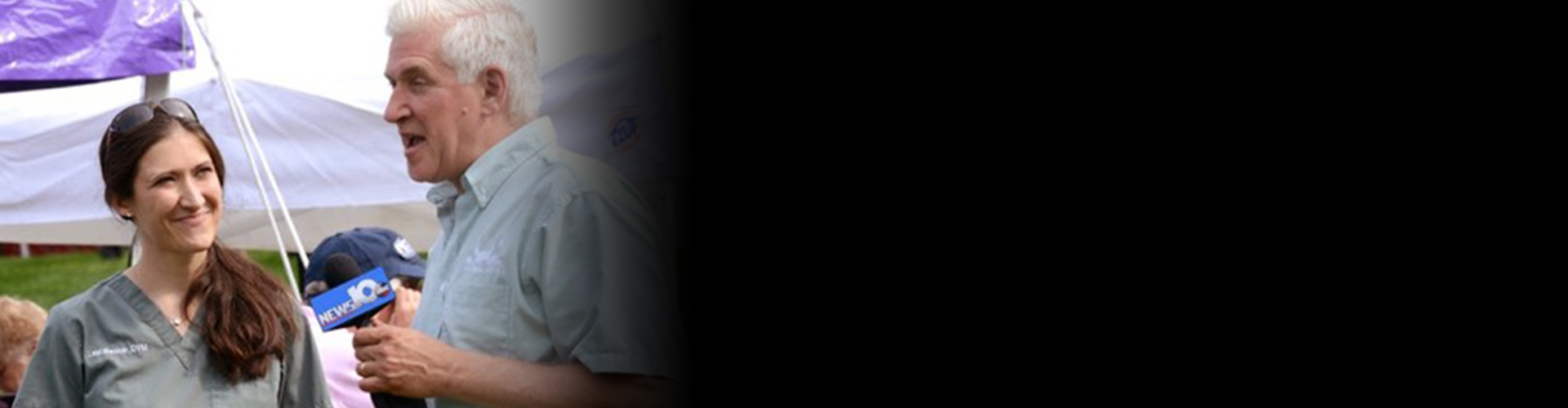
At our hospital, caring for pets goes far beyond the walls of our building. Community outreach is one of the ways we support the people and animals who make our area such a special place. By staying involved, we help strengthen the bond between pets and their families and make high quality veterinary care more accessible to everyone.
Testimonials
Contact Us


© 2026 The Animal Hospital. All Rights Reserved | Sitemap | Privacy Policy
Powered by: 