
Call Us: (518) 456-0852







Our Services
Medical Services
Wellness Examinations
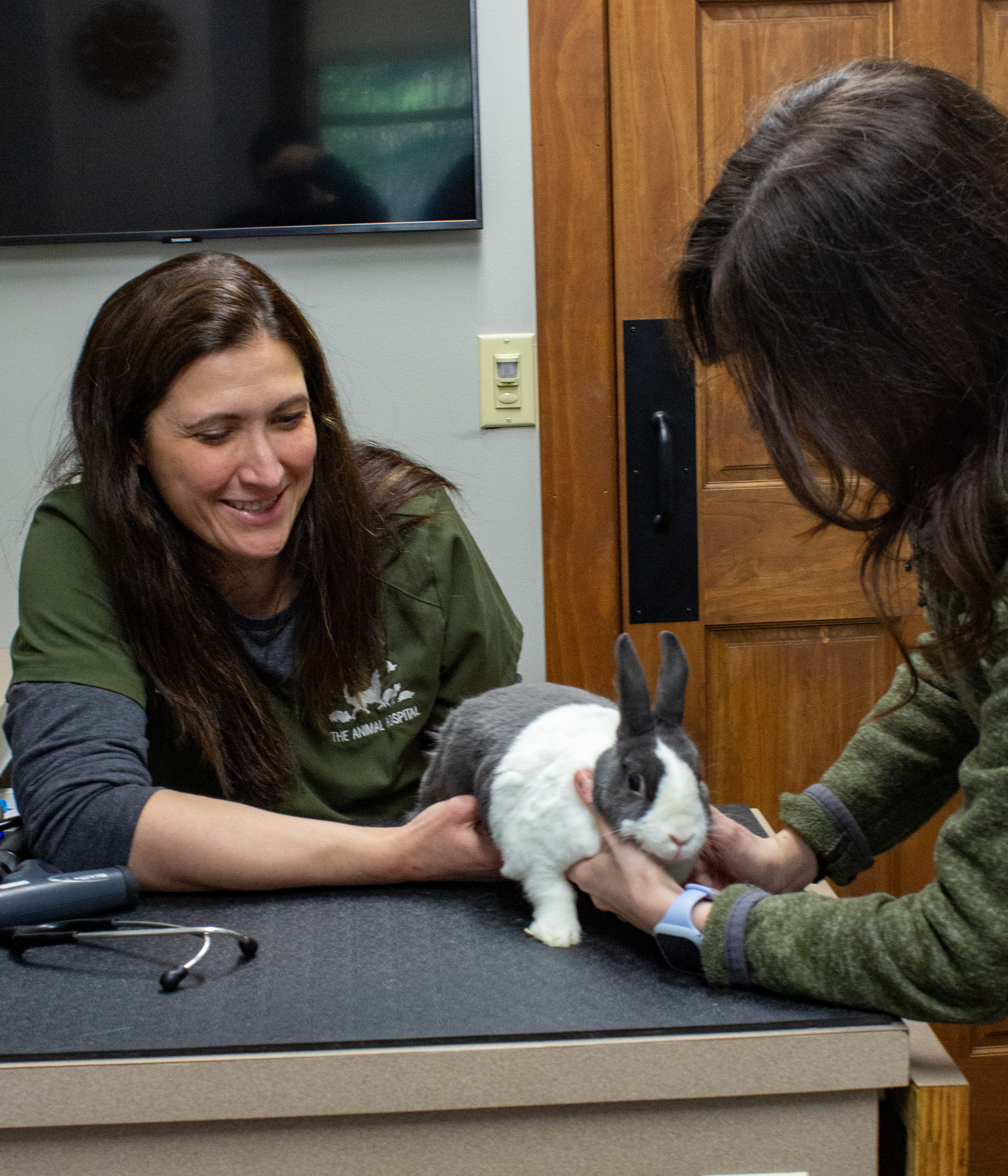
Regular wellness examinations are one of the most important ways to keep your pet healthy. Our team provides thorough, individualized wellness care for dogs, cats, and a wide range of exotic pets. These visits focus on early detection, disease prevention, and supporting long-term quality of life, allowing us to partner with you to keep your pet thriving.
During a wellness exam, we perform a full nose-to-tail physical assessment. We review your pet’s lifestyle, behavior, nutrition, and any changes you’ve noticed at home. Depending on your pet’s age and needs, we may recommend routine diagnostics such as bloodwork, urinalysis, fecal testing, or screening for common conditions. Vaccinations, parasite prevention, and dental health evaluations are also key components of preventive care.
Wellness visits are tailored to your pet’s life stage. Puppies and kittens benefit from frequent checkups to support growth and development, while adult pets need annual exams to maintain health and catch early signs of disease.
Our goal is to make wellness care proactive, not reactive. By staying ahead of potential problems and maintaining a strong preventive care routine, we help ensure your pet enjoys a longer, healthier, and happier life.
Vaccination Protocols
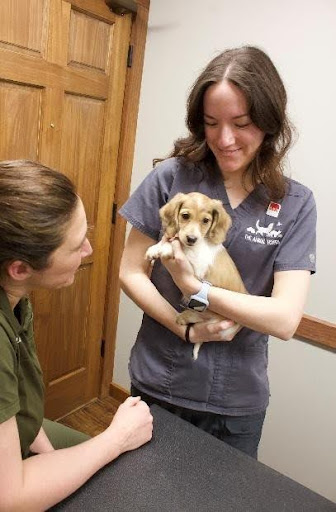
Canine Vaccine Protocol
Vaccinations are divided into core and noncore. Core vaccinations are vaccinations recommended for all patients regardless of lifestyle, unless there is a medical contraindication or exemption. Non- core vaccinations are recommended based on lifestyle and geographical location.
Core Vaccinations:
1. Distemper –component of the Da2pp Vaccination
Canine Distemper virus can infect and be carried by many wildlife including dogs, fox, coyote, wolves, skunk and raccoon. It is spread by aerosolized droplets and bodily fluids. Once a patient is infected it can affect the skin, respiratory, gastrointestinal and nervous systems and can be fatal.
2. Parvovirus –component of the Da2pp Vaccination
Canine parvovirus is a ubiquitous, sturdy virus in the environment. Once infected, the virus attacks the rapidly dividing cells of the tonsil, lymphocytes (white blood cell), bone marrow and intestine. The symptoms most seen are lethargy, fever, vomiting and diarrhea (often bloody diarrhea).
3. Adenovirus –component of the Da2pp Vaccination
Canine adenovirus type 2 can cause tracheobronchitis and is a part of the canine infectious respiratory disease complex. This vaccination also cross protects against Canine Anenovirus type 1 which is the cause of the often fatal canine infectious hepatitis.
4. Rabies Virus
Rabies virus is transmitted through saliva, most commonly though a bite with an infected animal. Rabies virus affects the neurologic system and is almost always fatal. Due to the high fatality rate of Rabies and public health risks, the vaccination is legally mandated.
5. Leptospirosis
Leptospirosis is a bacteria that can be found across the United States. In 2024 guidelines were updated to make Leptospirosis a core vaccination. The most common route of infection is though ingestion of stagnant water with contaminated urine. Once infected the bacteria attaches to the endothelial cells lining blood vessels making it hard for the blood to clot. Ultimately, the bacteria will affect other organs such as the liver and kidney. Most common symptoms include lethargy, decreased appetite, vomiting, diarrhea and increase in thirst and urination. Leptospirosis is a zoonotic pathogen meaning it can be transmitted to people.
Noncore vaccinations:
1. Lyme vaccination
Lyme is a bacteria that is endemic in this area which is transmitted by a tick bite. Less than 10% of patients infected with the bacteria develop symptoms. Most common symptoms include lethargy, lameness, swollen lymph nodes and decrease in appetite. Rarely serious kidney complications can occur as well. For most dogs in this area the vaccination is recommended.
2. Bordetella Vaccination
Bordetella is a bacterial infection that can cause and contribute to canine infectious respiratory disease complex (CIRDC), more familiarly known as “kennel cough.” Symptoms include a frequent gagging or retching cough. Occasionally, this can progress into pneumonia. The vaccination is recommended for patients that are frequently around other dogs for boarding, grooming, daycare, dog shows etc.
3. Influenza
Influenza, just like in people, tends to be prevalent in canine population and are non-sustaining. Therefore, it is not recommended for every patient, just those at high risk. The canine influenza vaccination is recommended for patients that travel, go to dog shows and agility events, and are boarded or groomed regularly.
4. Parainfluenza – this is a component of the Da2pp vaccination
Parainfuenza is a viral infection that is a component of the canine infectious respiratory disease complex (CIRDC), more familiarly known as “kennel cough. Symptoms include a frequent gagging or retching cough. The vaccination is recommended for patients that are frequently around other dogs for boarding, grooming, daycare, dog shows etc.
Adverse reactions:
After any vaccination, it is not uncommon for patients to experience mild symptoms such as lethargy, discomfort at the vaccination site, reduced appetite and mild fever. Concern should arise with the following symptoms: Vomiting, diarrhea, facial swelling, hives, difficulty breathing or collapse. If you notice any of these symptoms seek emergency medical attention ASAP.
Feline Vaccine Protocol
Vaccinations are divided into core and noncore. Core vaccinations are vaccinations recommended for all patients regardless of lifestyle, unless there is a medical contraindication or exemption. Non- core vaccinations are recommended based on lifestyle and geographical location.
Core vaccines
1. Panleukopenia (feline distemper) – component of the FVRCP vaccination
Panleukopenia is a highly contagious virus that causes fever, anorexia, vomiting, diarrhea, and in some cases, sudden death. Kittens are particularly susceptible.
2. Feline herpesvirus (viral rhinotracheitis) – component of the FVRCP vaccination
Feline herpesvirus causes upper respiratory infection with fever, sneezing, conjunctivitis and lethargy. Kittens have an increased risk of infection.
3. Calicivirus – component of the FVRCP vaccination
Calicivirus is a highly contagious virus that can cause upper respiratory symptoms in cats. In some cases, affected kittens may develop pneumonia. In rare cases, a much more aggressive strain of this virus can cause inflammation of the liver, intestines, pancreas, and cells that line the blood vessels. This severe form of calicivirus can be deadly in up to half of affected cats.
4. Rabies Virus
Rabies virus is transmitted through saliva, most commonly though a bite with an infected animal. Rabies virus affects the neurologic system and is almost always fatal. Due to the high fatality rate of Rabies and public health risks, the vaccination is legally mandated
5. Feline Leukemia Virus (FeLV)
FeLV spreads through the saliva, nasal secretions, feces, urine, and milk of infected cats. Roughly 50 % of cats diagnosed with FeLV succumb to the disease within two and a half years. FeLV vaccination is considered a core vaccine for all cats less than one year of age and a non-core vaccine for cats one year of age and older that have no potential for exposure to FeLV.
Non-core vaccines
Examples of non-core vaccinations in cats are: Bordetella bronchiseptica, Chlamydia felis, Feline Infectious Peritonitis and Dermatophytosis.
Risks vs benefits of these vaccinations should be discussed with your veterinarian based on lifestyle and potential exposure. Most of these vaccinations are typically not recommended.
Adverse Reactions:
After any vaccination, it is not uncommon for patients to experience mild symptoms such as lethargy, discomfort at the vaccination site, reduced appetite and mild fever. Concern should arise with the following symptoms: vomiting, diarrhea, facial swelling, hives, difficulty breathing or collapse. If you notice any of these symptoms seek emergency medical attention ASAP. In cats, swelling at the vaccination site that remains present for more than 3 months, is larger than 2 cm in diameter or is increasing in size 1 month following vaccination should be biopsied.
Senior Pet Care
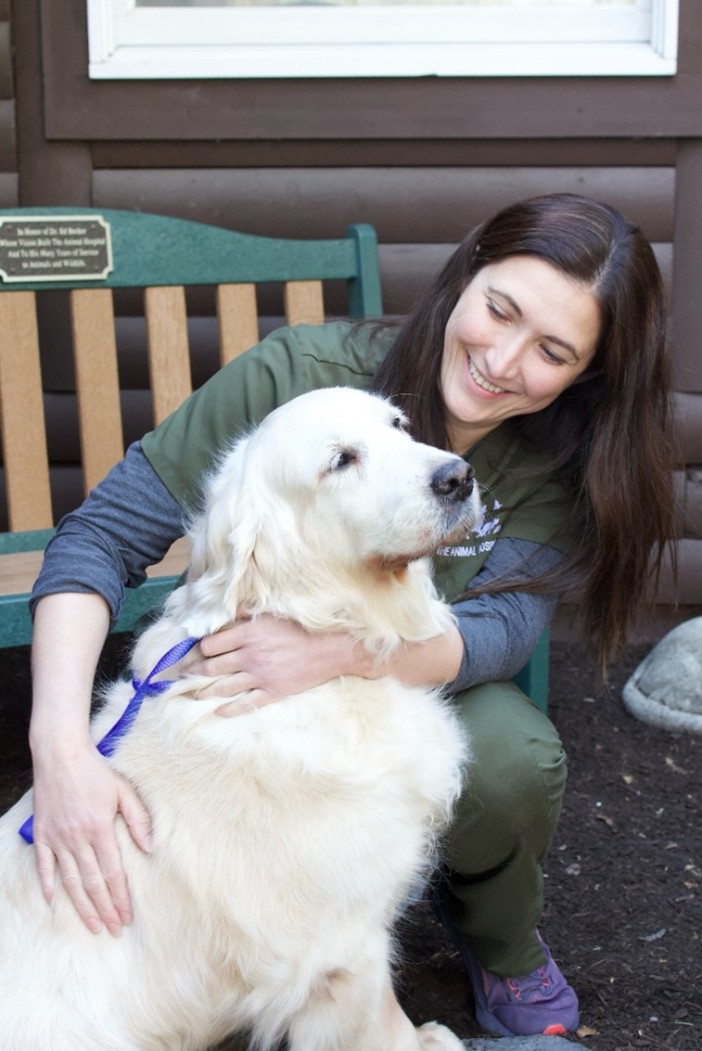
As pets age, their medical needs change, and early detection becomes more important than ever. Our hospital provides comprehensive senior pet care for dogs, cats, and a wide range of exotic species, focusing on comfort, longevity, and maintaining the best possible quality of life. Senior wellness is more than managing age-related conditions; it’s about proactive, individualized care that helps your pet stay happy, active, and comfortable throughout their golden years.
Senior pets often experience changes in mobility, metabolism, organ function, and behavior. During a senior wellness examination, we perform a thorough, species-appropriate physical assessment and review any changes you’ve noticed at home. We may recommend routine diagnostics such as bloodwork, urinalysis, blood pressure screening, fecal testing, or imaging to monitor organ health and detect early signs of disease. For exotic pets, who often hide illness until it becomes advanced, regular monitoring is especially important.
Nutrition, mobility, dental health, and environmental needs also play a major role in senior well-being. We work with you to tailor a care plan that may include dietary adjustments, joint support, pain management, habitat or lifestyle modifications, and strategies to support cognitive health. Our goal is to address small changes before they become big problems and to keep your pet comfortable and thriving as they age.
Senior pets benefit from more frequent checkups, typically every six months, so we can track trends, adjust care plans, and intervene early when needed. With attentive monitoring and compassionate support, we help ensure your dog, cat, or exotic pet enjoys a longer, healthier, and more comfortable life.
End-of-Life

Saying goodbye to a beloved pet is one of the hardest moments we face as pet parents. At our hospital, we provide gentle, dignified end-of-life care focused on comfort, compassion, and respect for your pet’s needs. Whether through quality of life assessment, hospice support, pain management, or peaceful euthanasia, our team will guide you through every step with empathy and understanding. When the time comes to say goodbye our caring team will take the time to listen to your wishes, answer your questions, and create an environment where you can share quiet moments and express your love in your own way. We are committed to honoring your pet’s life and providing the emotional support you need.
Learn More
Microchipping

Ensuring your pet has reliable identification is the most effective way to guarantee a safe return if they ever become lost. At our hospital, we offer two layers of protection: rabies ID tags and microchipping. Our rabies tags are color-coded for quick recognition and include our contact information, allowing us to access our records and identify an owner at any time. For more permanent protection, we provide microchip implantation—a simple, rice-sized device injected under the skin that can be read by universal scanners at shelters across the country. Remember to update your contact information every time you move. Together, these tools provide a vital safety net to help bring your pet home safely.
Therapeutic Laser Therapy
Therapeutic laser therapy is a highly effective, non-invasive treatment option used to reduce pain and inflammation for our patients. This advanced technology helps accelerate healing for a wide range of applications, including osteoarthritis, dental procedures, fractures, and post-surgical recovery. By using targeted light energy, laser therapy also aids in treating infections, wounds, and chronic inflammatory issues such as lick granulomas. Whether your pet is recovering from an injury or managing a long-term condition, this gentle therapy is an essential tool in our commitment to restoring their mobility and comfort.

Surgical Services
Laparoscopic Surgery

Laparoscopic (minimally invasive) surgery allows our veterinary team to perform certain procedures through tiny incisions using a camera and specialized instruments. This advanced technique offers a gentler alternative to traditional open surgery for dogs and cats, helping them recover more comfortably and return to normal activity sooner. By reducing tissue trauma and improving visualization, laparoscopic surgery provides a safer, more precise approach to many common procedures.
During a laparoscopic procedure, a small camera (laparoscope) is inserted through a narrow port, providing a magnified, high-definition view of the surgical area. Additional small incisions allow the use of fine instruments to perform the procedure with exceptional accuracy. Common laparoscopic surgeries include spays (ovariectomy) and cryptorchid neuters.
Laparoscopic surgery offers several benefits compared to traditional open techniques, including smaller incisions, reduced postoperative pain, less bleeding, and faster recovery times. The enhanced visualization also allows for more precise tissue handling and improved diagnostic capability during exploratory procedures.
Every patient receives a full pre-anesthetic evaluation and an individualized anesthesia and pain management plan. During surgery, your pet is continuously monitored by a licensed veterinary technician using advanced equipment to track heart rate, blood pressure, oxygen levels, temperature, and more. After the procedure, we provide detailed discharge instructions and follow-up care to support a smooth recovery at home.
Laparoscopic surgery is an excellent option for many pets, offering a less invasive approach to common procedures while maintaining the highest standard of surgical safety and comfort.
Comprehensive Dental Procedures
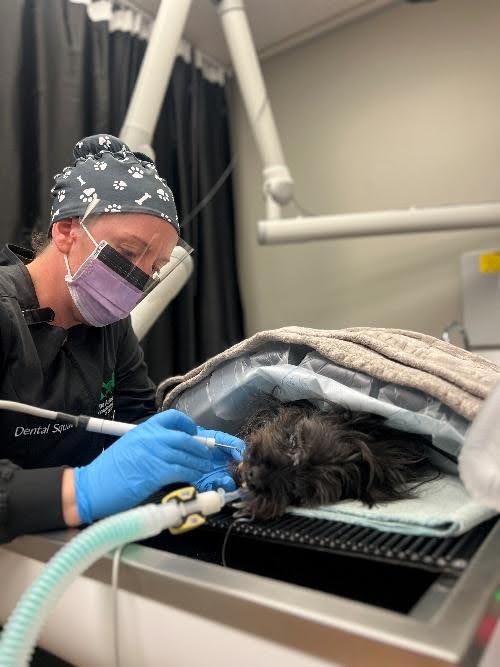
A healthy mouth is essential to your pet’s overall well-being. Dental disease is one of the most common conditions we see in dogs and cats. Because many problems develop below the gumline where they can’t be seen during a routine exam, our comprehensive dental procedures are designed to identify, treat, and prevent oral disease using modern equipment, advanced imaging, and AAHA-aligned standards of care.
During your pet’s dental procedure, our team performs a full oral evaluation under anesthesia, allowing us to examine every tooth safely and thoroughly. We begin with a complete cleaning and polishing to remove plaque and tartar above and below the gumline. Digital dental radiographs are taken to assess the roots, bone, and supporting structures—critical for detecting hidden issues such as root infections, bone loss, fractured teeth, and retained roots. These high-resolution images allow us to make real-time treatment decisions and ensure nothing is missed.
If treatment is needed, we create a personalized plan for your pet. This may include extractions, periodontal therapy, or other corrective procedures to relieve pain and restore oral health. Throughout the process, your pet is closely monitored by a licensed veterinary technician using modern anesthesia and safety protocols. Pain management is tailored to each patient to ensure a comfortable recovery.
After the procedure, we review your pet’s radiographs, treatment findings, and home care recommendations with you. Our goal is to not only treat existing conditions but also help you prevent future problems through regular dental care, professional cleaning, and at-home maintenance.
A comprehensive dental procedure is one of the most important steps you can take to protect your pet’s comfort, longevity, and quality of life. By addressing oral disease early and thoroughly, we help keep your pet healthy.
Soft Tissue Surgery
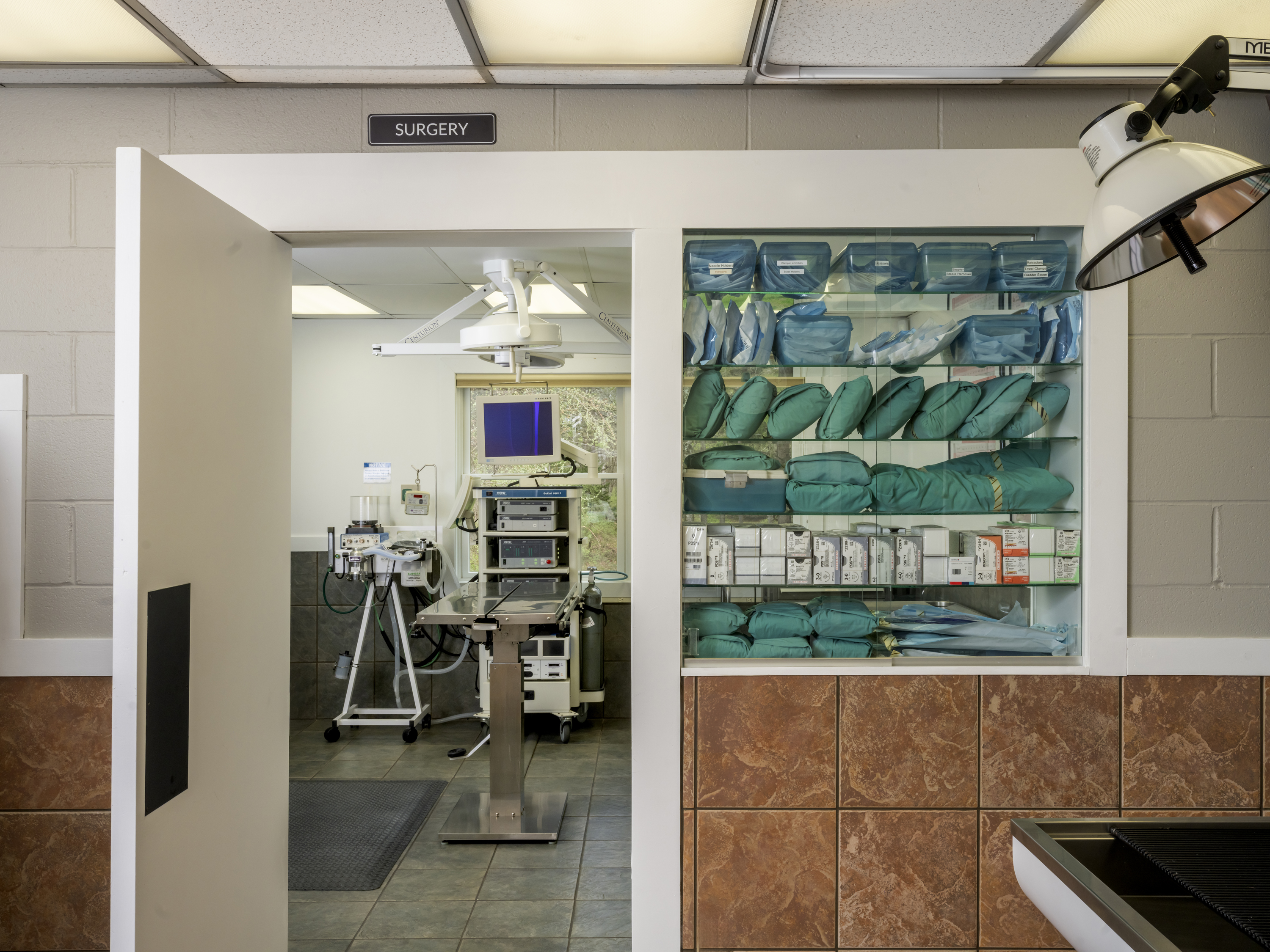
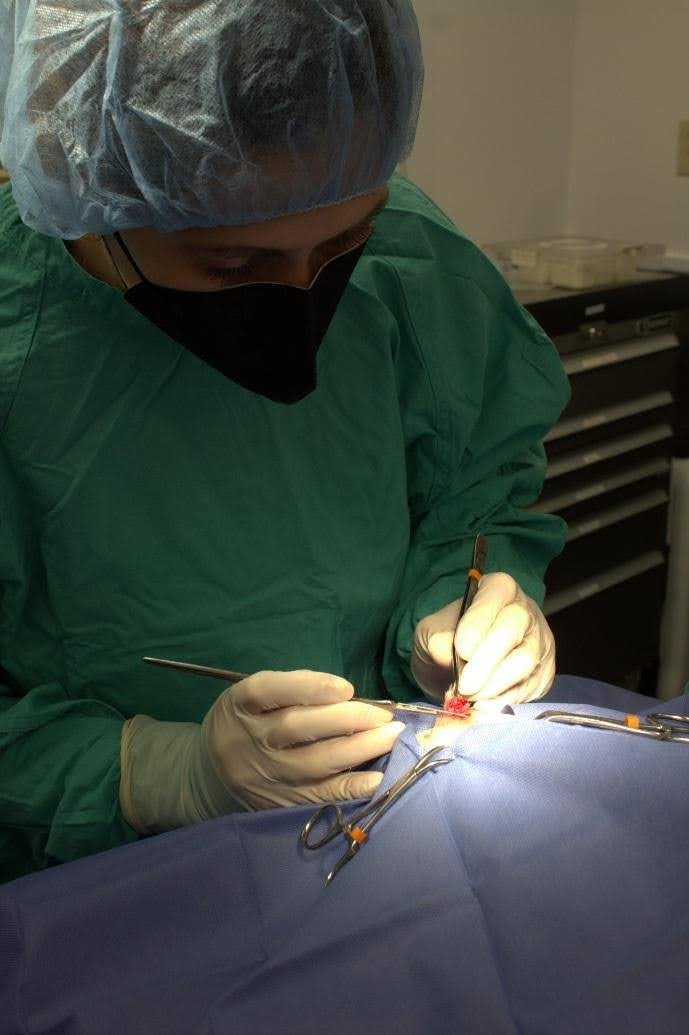
Soft tissue surgery includes many of the most common and important procedures performed in veterinary medicine. Our hospital provides safe, modern surgical care for dogs, cats, and a wide range of exotic species. Every patient receives individualized attention, advanced monitoring, and species-appropriate anesthesia and pain management to ensure the safest possible experience.
Soft tissue procedures involve the skin, ears, abdomen, and internal organs. Common surgeries include mass removals, spay/neuter procedures, bladder stone removal, gastrointestinal surgery, wound repair, and procedures involving the spleen or other abdominal structures. Whether your pet needs a planned procedure or urgent surgical care, our team is equipped to provide skilled, compassionate support.
Before surgery, every patient receives a thorough physical exam and pre-anesthetic bloodwork to evaluate overall health and minimize risk. During the procedure, your pet is continuously monitored by a licensed veterinary technician using equipment that tracks heart rate, blood pressure, oxygen levels, temperature, and more. We tailor anesthesia protocols to each species and individual patient, ensuring comfort and safety throughout the entire process.
After surgery, we provide detailed discharge instructions, pain management plans, and follow-up care to support healing at home. Our goal is to make the surgical experience as smooth and stress-free as possible while delivering the highest standard of medical care.
From routine procedures to complex surgeries, our soft tissue surgical services help restore health and improve the quality of life for dogs, cats, and exotic pets.
Diagnostic Services
EKG (ECG)
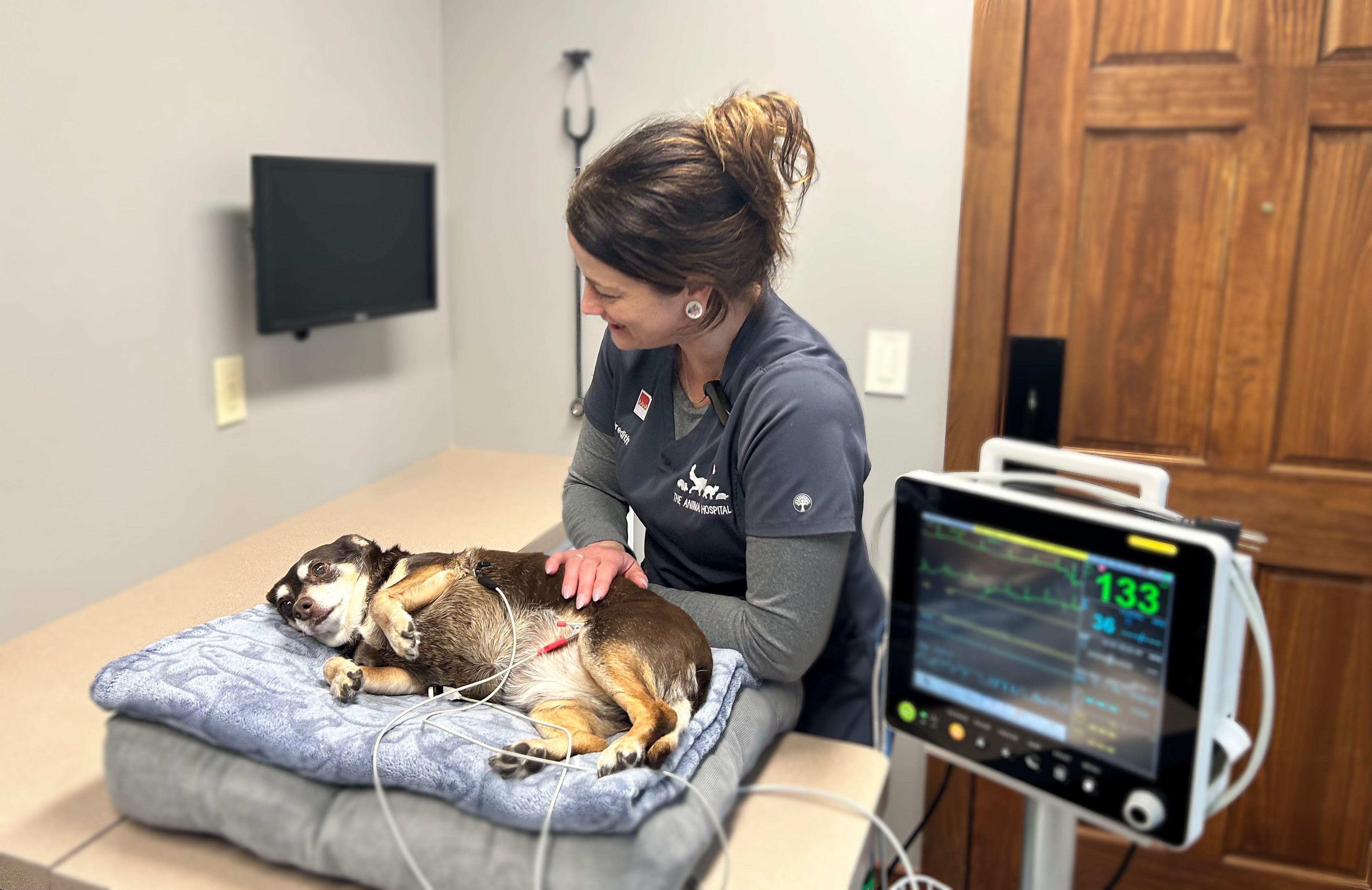
An electrocardiogram—commonly called an EKG or ECG—is a quick, non-invasive test that measures the electrical activity of your pet’s heart. Our team uses this technology to evaluate heart rate and rhythm, detect arrhythmias, and identify abnormalities in how electrical signals move through the heart. Because an EKG focuses on electrical function rather than physical structure, it is often paired with other diagnostics, such as X-rays or referral for a cardiac ultrasound (echocardiogram), to give a complete picture of your pet’s cardiac health.
We may recommend an EKG if your pet has symptoms such as coughing, weakness, collapse, exercise intolerance, or if an irregular heartbeat is heard during an exam. The procedure is gentle and stress-free, as your pet rests comfortably while the recording takes place. These results can be sent to a board-certified cardiologist for review and interpretation.
Whether used for early detection, anesthesia planning, or monitoring chronic heart disease, an EKG is a valuable tool that helps us diagnose conditions sooner and guide the safest, most effective treatment for your pet.
Digital Radiology

Digital radiology allows us to capture high-quality diagnostic images quickly and safely, giving our team a clear and detailed view of your pet’s internal structures. These images help us evaluate the bones, lungs, heart, abdomen, and other vital areas with precision, supporting timely and accurate medical decisions. The process is efficient, low-stress, and designed to keep your pet as comfortable as possible.
Our digital radiography system is fully integrated with your pet’s electronic medical record, allowing every image to be stored, reviewed, and compared over time. To ensure the highest level of diagnostic accuracy, we send all radiographic images to a board-certified veterinary radiologist for interpretation, providing expert insight for every patient. When additional input is needed, we can also share your pet’s history and laboratory results with other specialists, often receiving feedback within hours.
Digital radiology is an essential tool in diagnosing fractures, arthritis, heart and lung disease, abdominal concerns, and many other conditions. By combining advanced imaging technology with expert interpretation, we deliver precise diagnostics and a clearer path toward effective treatment for your pet.
Dental Digital Radiology
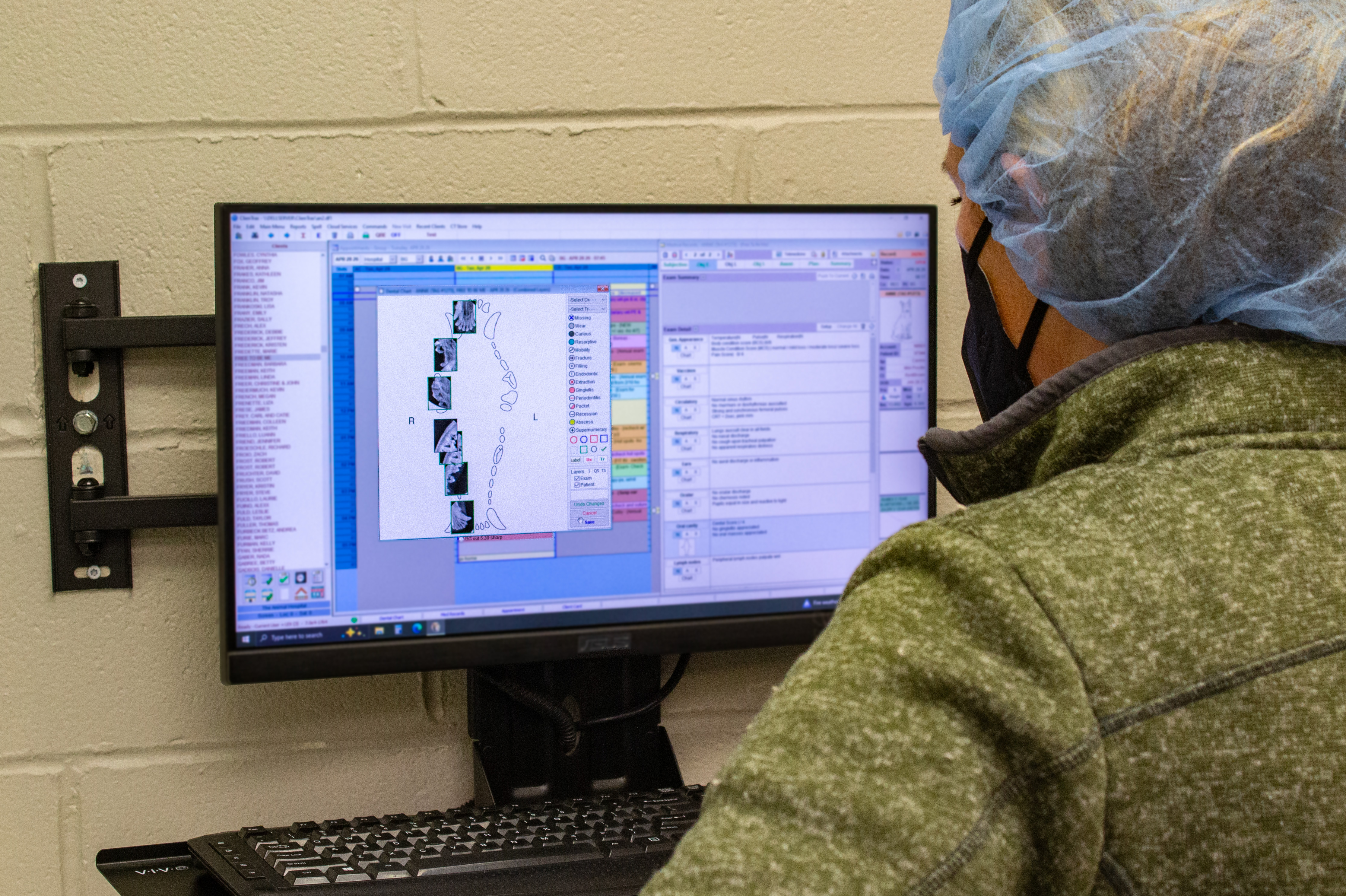
Dental disease is one of the most common health issues in dogs and cats, and many problems hide below the gumline where they can’t be seen during a routine oral exam. Dental digital radiology allows our veterinary team to look beneath the surface and evaluate the teeth, roots, and surrounding bone with exceptional clarity. This technology is essential for diagnosing dental problems early and ensuring your pet receives the safest, most effective treatment.
Digital dental x-rays help us identify issues such as fractured teeth, root infections, bone loss, impacted teeth, retained roots, and periodontal disease—conditions that often cause pain long before outward signs appear. Because these images are captured instantly, our team can make real-time decisions during your pet’s dental procedure, reducing anesthesia time and improving overall outcomes.
The process is quick and comfortable. Once your pet is safely under anesthesia for their dental cleaning or procedure, a small digital sensor is placed inside the mouth to capture detailed images of each tooth. Digital technology uses significantly less radiation than traditional film x-rays and produces high-resolution images that can be enlarged, enhanced, and shared with you during discharge. When needed, these images can also be reviewed by a board-certified veterinary dentist or radiologist.
By integrating dental digital radiology into every comprehensive dental procedure, we are able to detect hidden disease, prevent future problems, and keep your pet’s mouth healthy and pain-free. It’s one of the most important tools we use to ensure your pet receives the highest standard of dental care.
Ultrasound Imaging
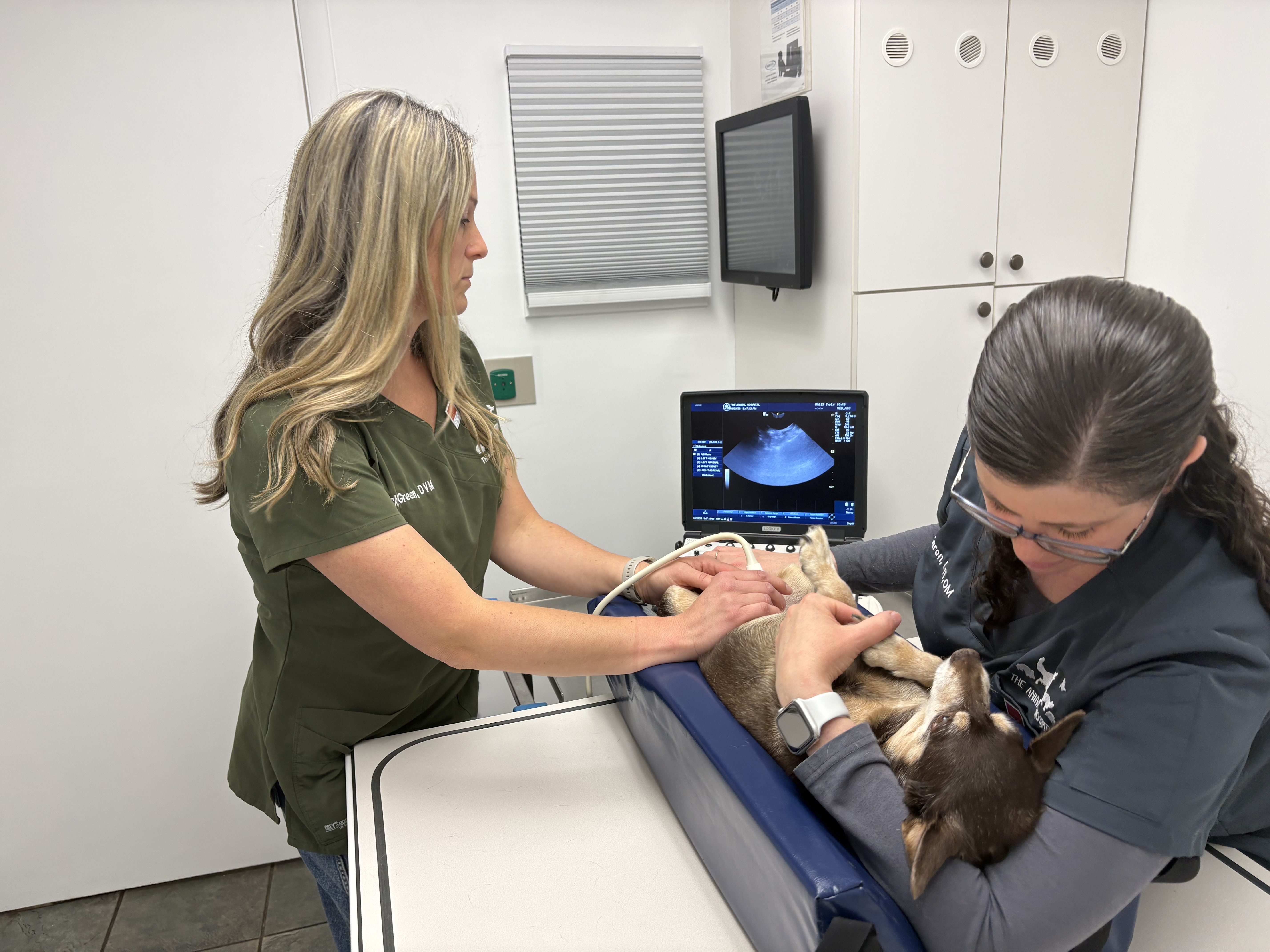
Ultrasound is a safe, non-invasive imaging tool that allows our team to see inside your pet’s body in real time. Using high-frequency sound waves, ultrasound creates detailed images of soft tissues and internal organs, helping us diagnose conditions quickly and comfortably for dogs, cats, and many exotic pets.
Ultrasound is especially valuable for evaluating the abdomen, including the liver, spleen, kidneys, bladder, stomach, intestines, and reproductive organs. It helps us identify masses, inflammation, fluid accumulation, organ changes, and other abnormalities that may not be visible on X-rays alone. We often use ultrasound as a screening tool, and if we find anything abnormal, we may recommend referring your pet to a board-certified radiologist for a comprehensive diagnostic ultrasound.
We commonly use ultrasound to evaluate the bladder for abnormalities such as stones, wall thickening, or masses, and it provides excellent visualization for detecting subtle changes. Ultrasound also guides cystocentesis, allowing us to collect a sterile urine sample quickly and precisely when needed. In addition to bladder evaluation, this technology is used to confirm pregnancy, assess fetal health, and guide fine-needle aspirates with accuracy.
In urgent situations, we may perform POCUS (Point-of-Care Ultrasound), including AFAST scans to assess the abdomen and TFAST scans to evaluate the chest. These focused exams provide rapid, critical information during emergencies or when your pet is unstable.
During an ultrasound exam, your pet rests comfortably while a small handheld probe is moved across the skin. Most pets do not require sedation, though we may recommend it for anxious patients or those who need to remain very still for detailed imaging. For exotic pets, sedation decisions are based on species, temperament, and safety.
Ultrasound provides fast, accurate information that helps us diagnose illness earlier, plan treatment more effectively, and monitor ongoing medical conditions. Whether we are evaluating a new concern, performing a focused emergency scan, or screening for early changes, this technology plays an essential role in delivering high-quality, compassionate care for your pet.
Doppler Blood Pressure Monitoring
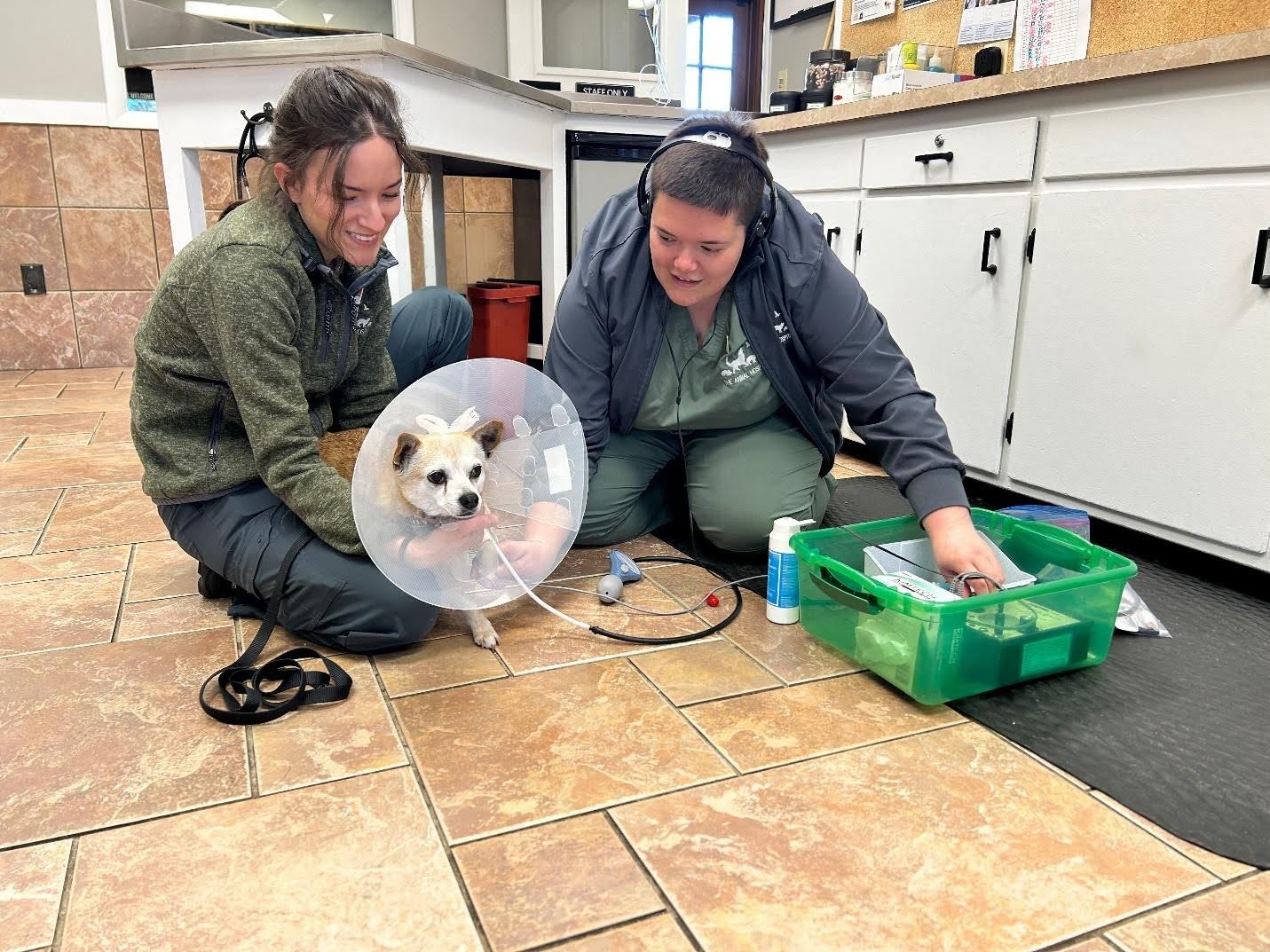
Doppler blood pressure monitoring is a highly accurate method we use to measure your pet’s blood pressure, especially in small dogs, cats, and exotic pets, where traditional cuffs may be less reliable. This technique uses a sensitive ultrasound probe to detect blood flow within an artery, allowing us to obtain consistent readings even in patients with weak pulses or low circulation. Doppler monitoring helps us identify hypertension or low blood pressure early, track changes over time, and guide treatment decisions during illness, anesthesia, or emergency care. Because it provides real-time information, Doppler technology is an essential tool for ensuring your pet’s safety and supporting proactive medical care.
In-Hospital Laboratory Testing
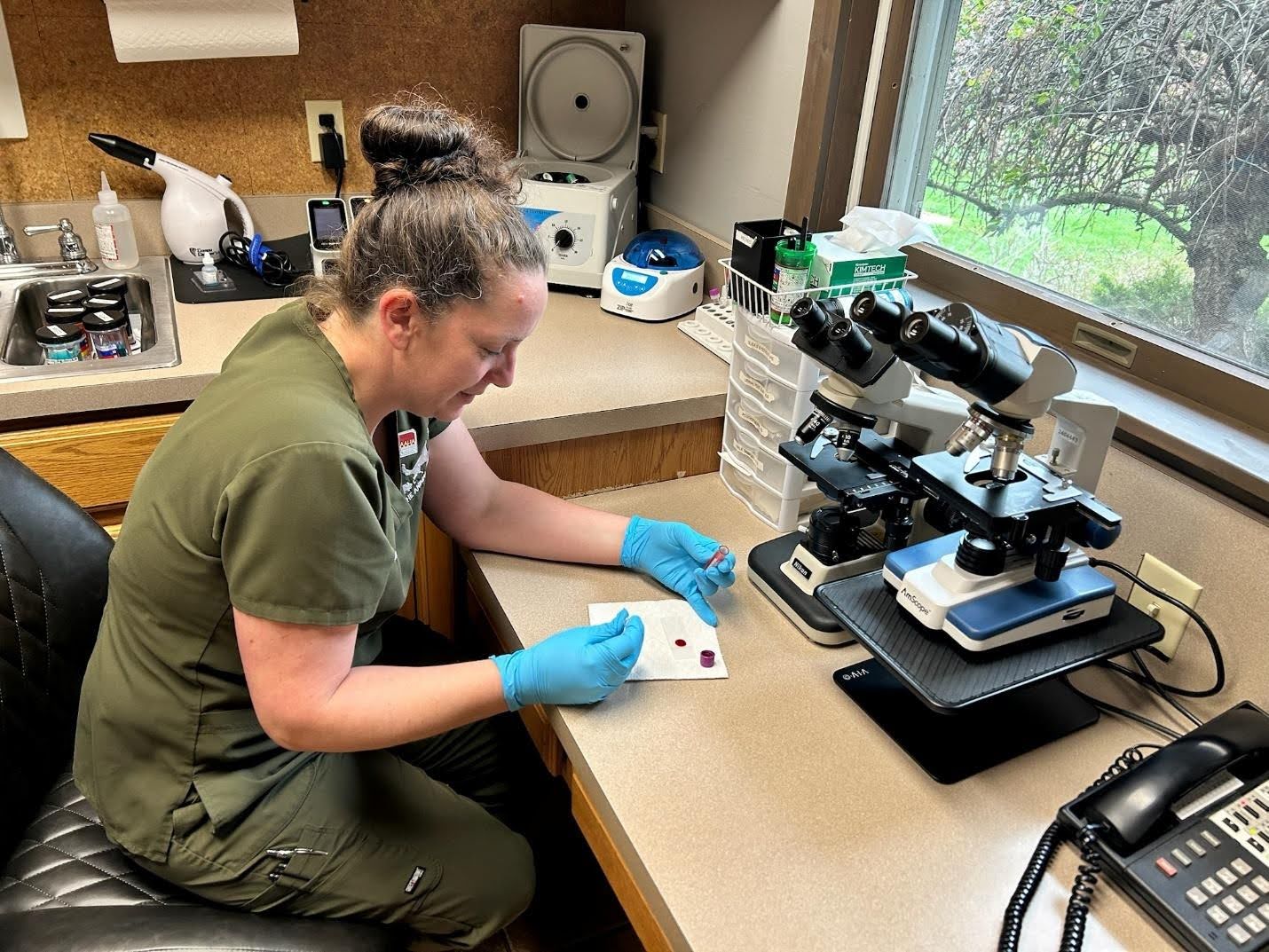
Our hospital is equipped with a full in-house laboratory, allowing us to perform many diagnostic tests quickly and accurately during your pet’s visit. Having immediate access to lab results helps us evaluate your pet’s health in real time, make timely medical decisions, and begin treatment without delay. We commonly run tests such as complete blood counts, chemistry panels, electrolytes, urinalyses, and cytologies to assess organ function, hydration status, infection, inflammation, and other underlying conditions. Rapid diagnostics are especially important for sick or unstable patients, surgical cases, and emergencies where every minute matters. By combining in-hospital testing with our imaging capabilities and physical examination findings, we can provide a more complete picture of your pet’s health and deliver prompt, informed, and compassionate care.
Tonometry (Eye Pressure Measurement)

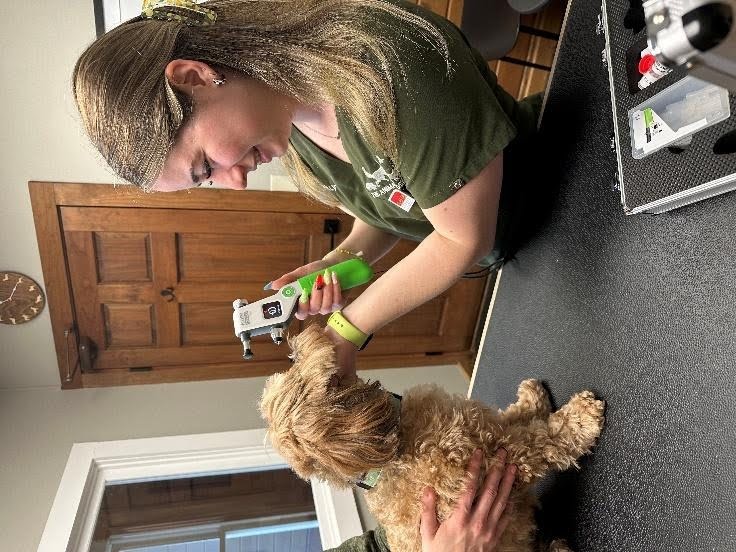
Tonometry is a quick, non-invasive test we use to measure the pressure inside your pet’s eyes. This measurement, known as intraocular pressure, is essential for detecting conditions such as glaucoma, uveitis, and other diseases that can cause pain or vision loss if not identified early. Using a handheld tonometer, we gently touch the surface of the eye to obtain an accurate reading. Most pets tolerate the procedure extremely well, and it only takes a few seconds. Tonometry is especially important for pets with clinical signs such as red eyes, squinting, cloudiness, or sudden vision changes, as well as for breeds predisposed to ocular disease. By performing this test in-hospital, we can quickly assess your pet’s comfort, guide treatment decisions, and protect long-term eye health.
Emergency Services
Emergency Services During Office Hours
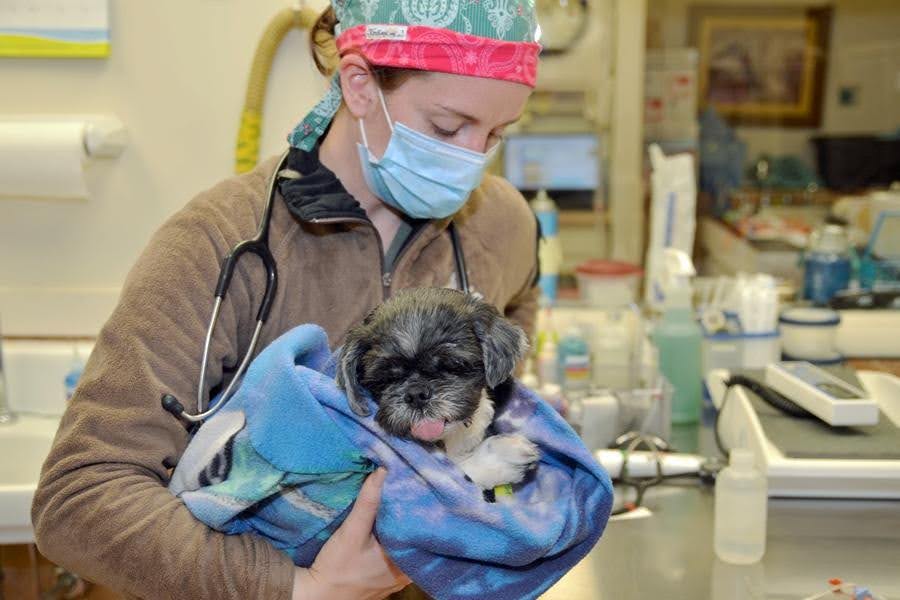
Your pet is never more than a phone call away from help when an emergency arises. We are available for emergencies during our regular business hours; however, we ask that you always call ahead so our team can assess the situation and prepare for your arrival. This allows us to act quickly and ensure that the appropriate equipment, medications, and personnel are ready the moment you walk through the door.
Our hospital is equipped with two intensive care/oxygen units: one designed for dogs and cats, and another specifically for birds and small “pocket” pets. These specialized systems maintain controlled oxygen levels, humidity, and temperature to support critically-ill patients. Our professional staff are trained to function as a coordinated emergency team, responding swiftly and decisively when every second counts. We utilize a fully stocked crash cart containing essential medications, catheters, syringes, and instruments, so that life-saving tools are always within immediate reach.
If your pet requires emergency care after our hospital is closed, you will be directed to the Capital District Veterinary Referral Hospital or Upstate Veterinary Specialties for continued support.
Call us: (518) 456-0852
Training/Counseling Services
Behavioral Counseling

Behavioral concerns can be stressful for both pets and the people who love them. Whether your pet is showing signs of anxiety, aggression, inappropriate elimination, destructive behavior, or changes in social interactions, our goal is to help you understand what your pet is experiencing and develop a plan that supports long-term improvement.
During a behavioral counseling appointment, we take the time to gather a detailed history, discuss your pet’s environment and daily routine, and evaluate any medical factors that may be contributing to the behavior. Many behavioral issues have underlying physical causes, so we may recommend diagnostics such as bloodwork, urinalysis, or imaging to ensure we have a complete picture of your pet’s health.
Once we identify the root of the problem, we work with you to create a customized treatment plan. This may include environmental adjustments, behavior-modification strategies, training recommendations, and, when appropriate, medical therapy to help reduce anxiety or improve emotional regulation. Our approach is compassionate, evidence-based, and tailored to your pet’s individual needs.
For complex or challenging cases, we can refer to a board-certified veterinary behaviorist to ensure your pet receives the highest level of expertise and support. Our goal is to strengthen the bond between you and your pet by helping them feel safe, confident, and understood
Nutritional Assessment & Counseling
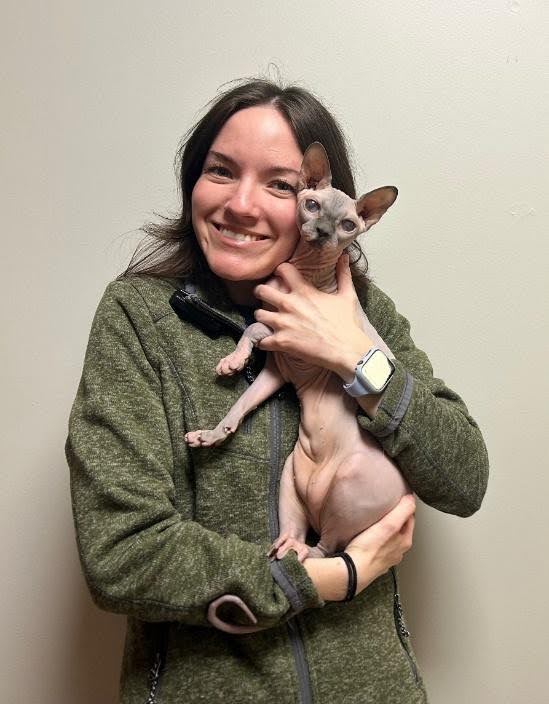
At every wellness visit, we follow the American Animal Hospital Association (AAHA) guidelines to perform a complete nutritional assessment for your pet. This includes evaluating body condition, muscle mass, diet history, and lifestyle factors to ensure their food supports both daily needs and long-term health goals. Based on these findings, we create a personalized nutrition plan, whether it’s for maintaining a healthy weight, supporting growth, managing a medical condition, or enhancing overall vitality. Our team also provides clear, practical counseling so you can confidently make the best feeding choices at home, helping your pet live a longer, healthier, and happier life.
If an individual assessment indicates the need for additional support, we may recommend nutraceutical supplements. These are not medications, but nutritional additions designed to help prevent issues such as cartilage deterioration, dull coats, seborrhea, or early immune decline. We are always happy to discuss your pet’s diet and help you determine whether supplements may be beneficial.
For pets with specific medical conditions, such as kidney disease, food allergies, or inflammatory bowel disease, we may also recommend a prescription diet tailored to their unique needs. These therapeutic diets can play a crucial role in managing chronic conditions and improving overall quality of life.
Wildlife Services
Wildlife Treatment

We believe every creature deserves a chance to heal, which is why we proudly provide free medical treatment and rehabilitation for injured, sick, or orphaned wildlife. From tiny songbirds to majestic raptors, our team offers compassionate, expert care with the goal of stabilizing each animal and returning it to its natural habitat whenever possible. We can assess injuries, provide pain relief, perform diagnostics, and offer supportive treatments such as wound care, hydration, and thermal support.
Because long-term wildlife rehabilitation is regulated by state and federal laws, ongoing care and release decisions must be handled by licensed wildlife rehabilitators. After initial stabilization, we work closely with approved wildlife rescue organizations to ensure every animal receives the specialized, species-appropriate care it needs. Our hospital also helps educate the community on how to safely protect and coexist with local wildlife. Together, we can ensure that every wild animal in need receives the care and opportunity to return home.

Hospital Information System
Electronic Medical Records
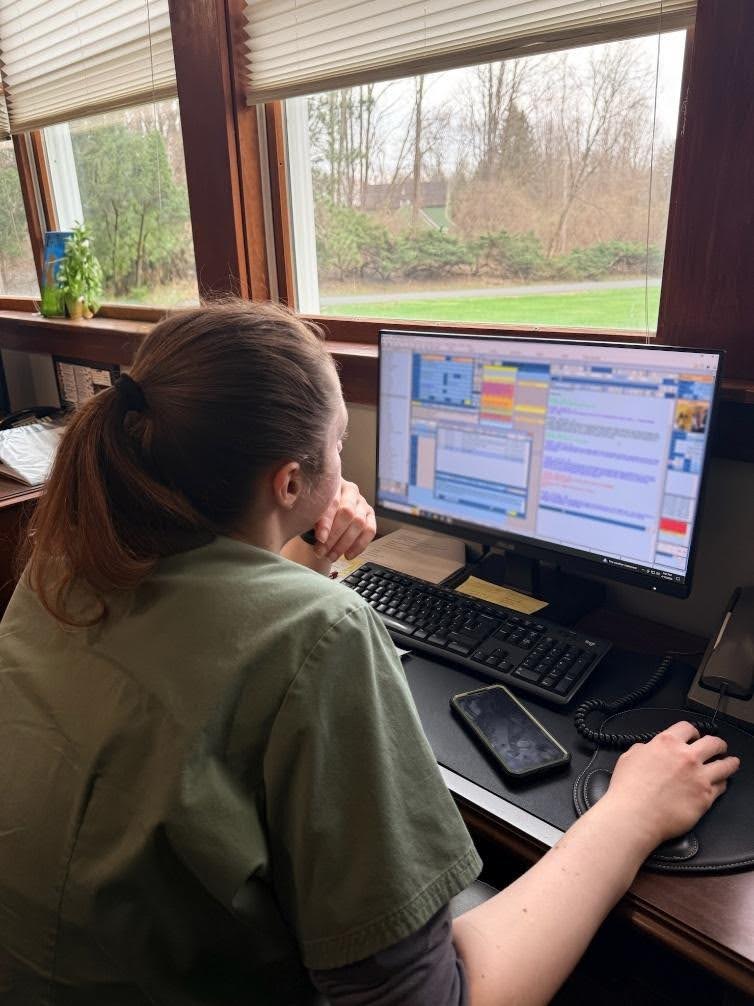
Our hospital uses a secure electronic medical record system to ensure your pet’s health information is always accurate, organized, and accessible to our team. This technology allows us to track medical history, diagnostics, treatments, medications, and wellness plans in real time, helping us provide consistent, coordinated care at every visit. All diagnostic testing—including radiographs, ultrasounds, laboratory results, and specialist reports—are stored within the same system, giving our team a complete, integrated view of your pet’s health. These records can be easily sent to specialists, ensuring seamless collaboration and continuity of care when your pet requires advanced diagnostics or treatment. All information is protected by a generator-backed system, allowing us to maintain secure access even during power interruptions. By maintaining a complete digital history for each patient, we can better monitor long-term trends, support early detection of health changes, and deliver a smoother, more efficient experience for both you and your pet.
Quick Links

Services

Request an Appointment
© 2026 The Animal Hospital. All Rights Reserved | Sitemap | Privacy Policy
Powered by: 